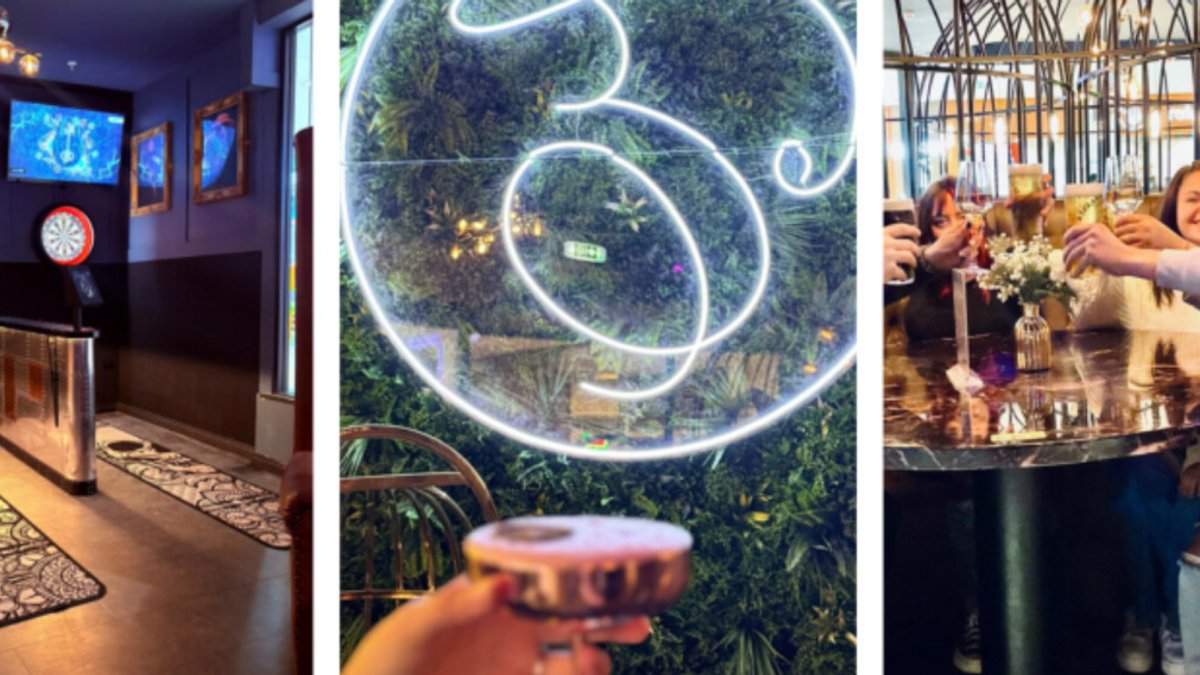
The former Biltmore building on Swinegate in York will reopen in November as an immersive leisure and hospitality venue after a £1 million investment by The Escapologist. The project will create 25 to 30 jobs in the city.
Historic building gets new purpose
Built around 1910, 29 Swinegate has served many roles over the past century. It functioned as a military hospital during the First World War and later as a 500-seat church and entertainment space. The structure sits within York’s Central Historic Core Conservation Area.
The renovation will keep many original architectural features while adding modern attractions. The venue will include three escape rooms, interactive games, and food and drink services.
Escape rooms and interactive games planned
The escape rooms will offer three themes: Mission to Mars, a space-themed challenge; Hadrig’s Forgotten Forest, a fantasy adventure; and The Grand Continental Express, a mystery set on a train. Visitors can also play EscaPool, a mix of crazy golf and pool, along with interactive darts.
A café, restaurant, and bar will round out the experience. The Escapologist teamed up with York Coffee Emporium and other independent suppliers for food and drink.
Related: Chamber launches new conference series
Ellie McClaren, chief executive of The Escapologist, said the company looked forward to bringing its concept to York. “29 Swinegate is a building with remarkable history and soul, and we take our responsibility as its new custodian very seriously,” she said. “Whether you solve mysteries in Hadrig’s Forgotten Forest or try EscaPool, we can’t wait to open the doors and welcome locals and visitors alike this November.”
The investment fits into The Escapologist’s expansion plans. It aims to add a fresh attraction to York’s hospitality scene. The venue will cater to families, friends, corporate events, and celebrations. Bookings will open soon before the November launch.
The building’s position in the conservation area limits external changes. The streetscape will stay mostly the same. Inside, the transformation will be more noticeable. Escape rooms and games will contrast with preserved architectural details.
This kind of adaptive reuse has gained popularity in cities with older architecture. It offers a way to keep historic buildings relevant without losing their identity.