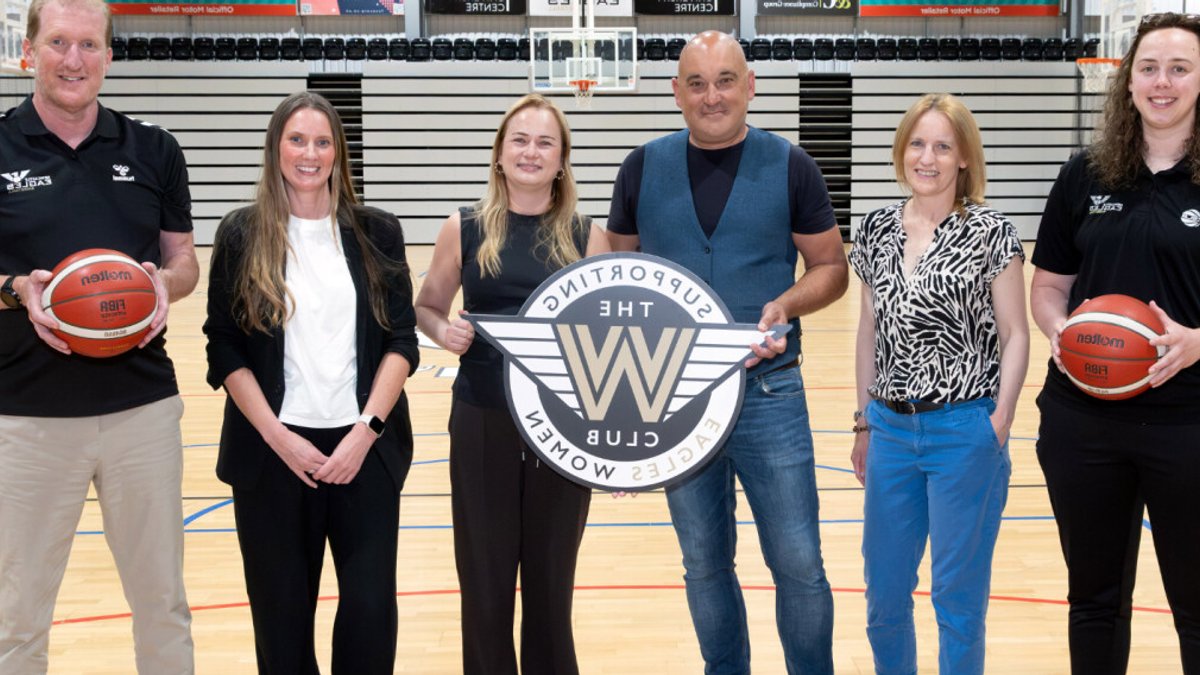
Newcastle Eagles’ “W Club” is preparing for a second season after a debut that secured financial backing for the women’s team and aimed to raise the sport’s profile in the North East.
Second season builds on first‑year partnership
Last year the initiative assembled regional business leaders who pledged money and resources to the Eagles Women’s squad, keeping the team afloat and allowing it to compete. Membership in the “W Club” offers networking, brand exposure and ticket packages, plus support for the club’s grassroots outreach programme. As the new campaign launches, organizers are urging the North East business community to extend that momentum.
Founder and chief executive of public‑relations firm Moja, Sophie Milliken, said the first season demonstrated the impact of local corporate support. “What we achieved last year proved exactly what happens when the North East business community steps up,” she said. “But we are just getting started. This isn’t only about survival; it’s about growth, visibility and creating a lasting legacy for women in sport.”
Head coach Chloe Gaynor echoed the sentiment, noting the club’s reliance on the partnership. “The ‘W Club’ has been essential for the continuity of the women’s programme. We have gained a community of like‑minded business owners who want to push forward and support the women’s game,” she added, thanking supporters for the past year’s assistance.
Founding members and their roles
The founding group includes Carl Swansbury, partner and head of corporate finance at Ryecroft Glenton; David Pritchard, head of business development and marketing at law firm Sintons; Jon Dudgeon, co‑founder and chief executive at accountancy and business advisory firm Blu Sky; Sarah Thackray, co‑founder at BeaconHouse Events; and Elaine Stroud, chief executive of the Entrepreneurs’ Forum. Together they provide the network and financial base the club hopes to expand.
Related: Shell profits surge as war disrupts markets
In addition to sponsorship, the “W Club” plans to broaden its reach by offering more ticketing bundles and increasing visibility for member brands at games and community events. The aim is to attract further investment that can sustain the women’s programme beyond short‑term relief.
Analysts note that the model mirrors other regional sports partnerships that link local enterprises with teams to create mutual benefit. By aligning corporate branding with community engagement, the venture hopes to generate a stable revenue stream that can support player development and outreach initiatives.
Support continues to rise.
Looking ahead, the second season could see the club leveraging its existing network to draw new sponsors, potentially expanding into neighboring counties. If the initiative maintains its current trajectory, it may set a precedent for similar collaborations across other sports in the area.
While the venture’s success will depend on continued business participation, the founders appear confident that the groundwork laid last year provides a solid platform for growth. The upcoming season will test whether the combined effort of these enterprises can translate into lasting improvements for women’s basketball in the region.