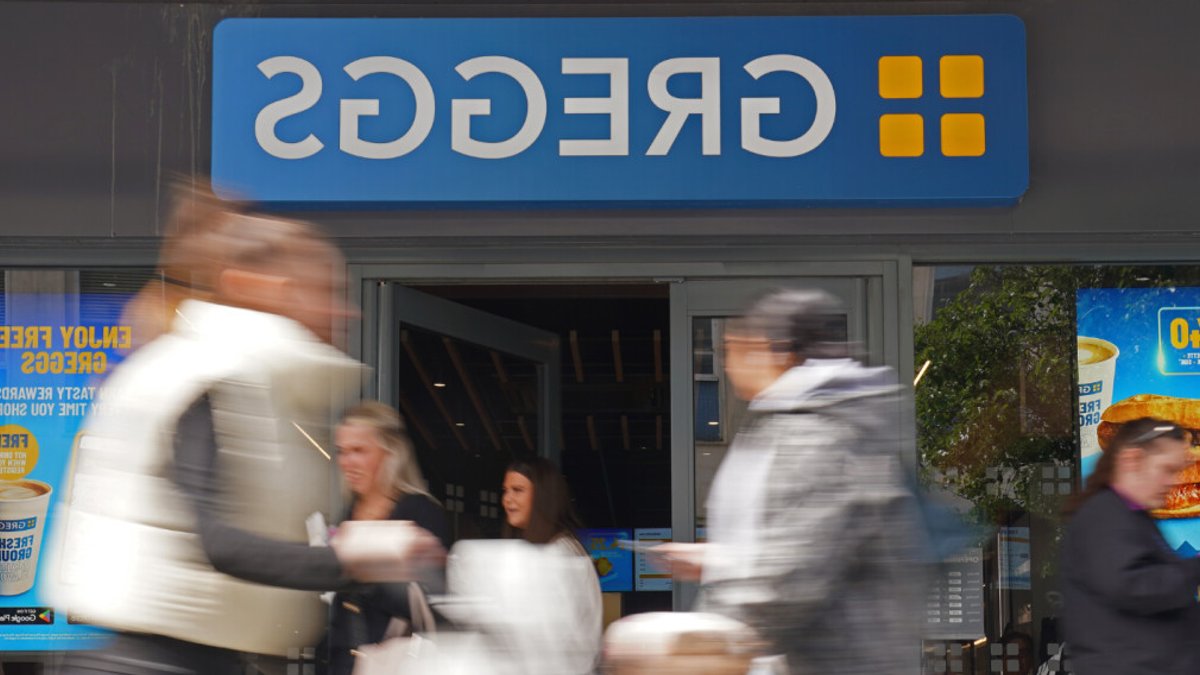
Greggs reported a boost in sales during the recent heatwave, driven by iced drinks and a refreshed salad lineup.
Revenue climbs as customers seek cooler options
For the 26‑week period ending June 27, the high‑street bakery chain posted total revenues exceeding £1.1 billion, a 7.2 percent rise on the same stretch a year earlier.
Pre‑tax profit rose by 20 percent to £76 million. The company linked the improvement partly to the launch of its “bake at home” frozen range in Tesco and an ongoing partnership with Iceland Foods.
Greggs’ chief executive, Roisin Currie, noted that hotter weather changes eating habits. “When temperatures get above 30 degrees, people start to eat less,” she said, adding that the firm’s resilience this year stems from lessons learned in previous seasons.
New menu items meet summer demand
Among the products that performed well were iced matcha lattes, a chicken roll introduced as a sausage alternative, and an expanded salad range. The chain highlighted a blueberry matcha iced latte aimed at younger shoppers.
Related: Unicorn Stories Hide the Truth About Success
“We had also just launched, before the heatwave started to hit, a new range of salads… the timing of those was great and they have sold well,” Currie explained.
Other items that saw uptick sales included fruit pots, yoghurts, wraps, and picnic‑ready packs of sausage rolls. The variety appears to have appealed to consumers looking for lighter, portable meals in high temperatures.
Greggs operates 2,773 stores as of June and plans to open up to 110 new outlets on a net basis through 2026.
Inflation stayed low.
The company also trialed a “Greggs Express” format—self‑service units with a reduced menu placed inside petrol stations—with ten locations slated for launch by year‑end.
Cost pressures remained modest, with overall inflation at 2.2 percent for the first half of the year.
Related: Small Steps Break SMEs Sustainability Paralysis
Currie warned that volatility in the Middle East and related energy price fluctuations could affect the back end of 2024 and into 2025. Wage increases were highlighted as a key expense in an inflationary environment, while ingredient costs for coffee and cocoa have begun to ease after previous spikes.
Comparing this summer performance with past seasons, the shift toward cold beverages and salads mirrors a broader trend among fast‑food chains that have traditionally relied on baked goods.
When temperatures rise, the demand for hot items typically wanes, prompting operators to diversify their menus. Greggs’ ability to quickly introduce new iced and chilled products suggests a more agile approach than some competitors, which often lag in seasonal adjustments.
Looking ahead, the company’s focus on keeping the menu “exciting for customers” appears central to its strategy.
By continually refreshing its offering, Greggs hopes to sustain momentum beyond the current heatwave and mitigate the seasonal dip that often follows hot weather periods.