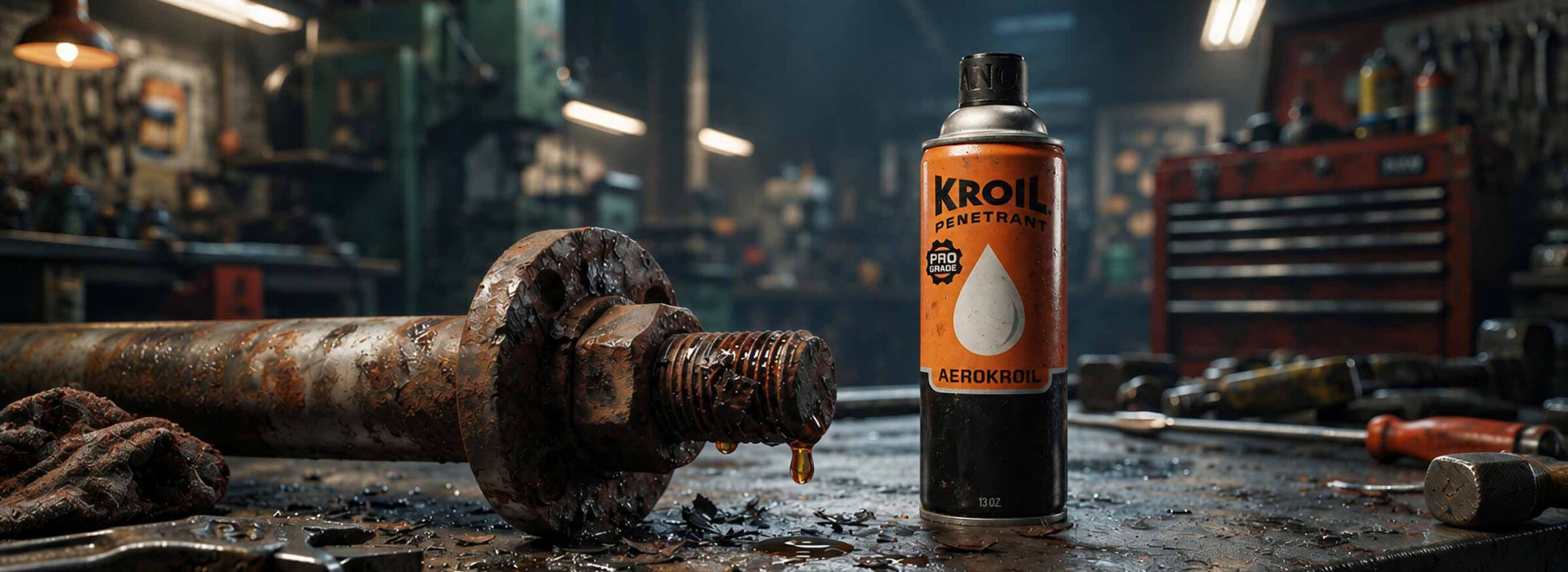
When a fastener refuses to budge, the physical reality is simple: oxidation, grime, or sheer mechanical interference has locked two surfaces together. Whether you are working on household plumbing, automotive repair, or general equipment maintenance, the feeling of a seized bolt or a jammed valve is a common source of frustration. Understanding how to address these stubborn components is key to avoiding damaged hardware and ensuring the repair is successful.
Why Common Lubricants Often Fail to Resolve Stubborn Seizures
Many people reach for a standard household oil or a multi-purpose spray when they encounter a stuck part. While these substances serve their purpose for general tasks, they are often ill-equipped to resolve severe mechanical bonds. A high-quality best penetrating lubricant is designed with specific chemical properties that allow it to migrate into extremely tight tolerances.
The core challenge is surface tension and capillary action. A standard oil often sits on the surface, unable to penetrate the microscopic gaps between threads. A specialized penetrating agent has a lower surface tension, allowing it to wick deep into the connection. Over time, these formulas work to soften or displace the corrosion and debris that create the resistance, effectively “breaking” the bond at a molecular level. Expecting a surface-level lubricant to achieve this is one of the more common reasons maintenance projects stall.
How the Process of Loosening Seized Components Works
The effective removal of a stubborn fastener typically involves more than just applying a product and turning a wrench. It is a systematic process of application, timing, and mechanical technique.
First, identify the area of the connection. If the fastener is exposed to years of outdoor conditions or high heat, the level of oxidation may be significant. Applying the best penetrating oil for plumbing or general repair requires patience. After application, give the chemical time to travel through the threads. Rushing this step is a frequent error; many fluids require several minutes, or sometimes longer in severe cases, to fully seep through the accumulation of rust.
Second, consider the use of vibration. Once the lubricant has had time to migrate, gentle taps with a hammer or the controlled use of a wrench can help the fluid distribute itself more evenly across the internal surfaces. This subtle movement also creates tiny gaps in the corrosion, allowing more of the product to reach deeper into the interface. Always use caution to avoid applying excessive force that might shear the head of a bolt or crack a fitting.
Factors That Influence the Effectiveness of Your Maintenance Approach
The performance of any penetrating agent is shaped by the environment in which it is used. For residents in this region, the climate can play a major role in how equipment behaves. Moisture and temperature fluctuations often accelerate the oxidation process, making connections tighter and more difficult to loosen over time.
Consider the material composition of the components. Brass, steel, and galvanized pipe fittings respond differently to chemical treatments. Some materials are sensitive to certain solvents, so understanding what you are working with is a vital step in maintaining the integrity of your fixtures. Furthermore, if you are working on a piece of equipment that is regularly exposed to high temperatures, look for products that remain stable and effective under thermal stress. The heat can sometimes cause lower-quality oils to evaporate or degrade before they have the chance to perform their function.
Practical Approaches for Ensuring Successful Outcomes
When you are facing a difficult repair, your goal is to minimize the risk of damaging the underlying structure. Start by clearing away as much surface debris, dirt, or loose paint as possible from around the connection point. This ensures that the lubricant focuses its action on the threads rather than being absorbed by external grime.
If you find that a connection remains resistant after an initial application, consider these methods to improve your odds:
- Multiple applications: Instead of using a large amount all at once, apply a smaller amount and allow it to penetrate. Reapply periodically while the fastener is soaking.
- Thermal cycles: If the components allow, slight temperature changes can sometimes cause metal to expand or contract minimally, which helps break the seal created by rust.
- Patience as a tool: In many cases, letting the part soak for a longer duration is more effective than using more product. If the project allows, treat the fastener and walk away for a while.
When searching for the best penetrating lubricant, focus on products that are formulated specifically for high-strength, deep-reaching performance. Do not be swayed by claims that sound too good to be true; instead, look for descriptions that explain the product’s ability to handle high-friction environments or heavy-duty corrosion.
If you are dealing with a critical plumbing or structural component and the part refuses to move, it may be time to consult with a professional. Plumbers and mechanics have specialized tools, such as extractors and heat-application devices, that can resolve issues when chemical methods have reached their limit. Ask your provider about their process for handling seized hardware so you can understand the options available for your specific situation.
Taking a measured, patient approach to maintenance not only increases the likelihood of a successful outcome but also helps preserve the equipment you are working on. By using the right products correctly and allowing the necessary time for them to function, you can turn a potential repair nightmare into a manageable project. When you approach these tasks with care and preparation, you set yourself up for a much more efficient experience.