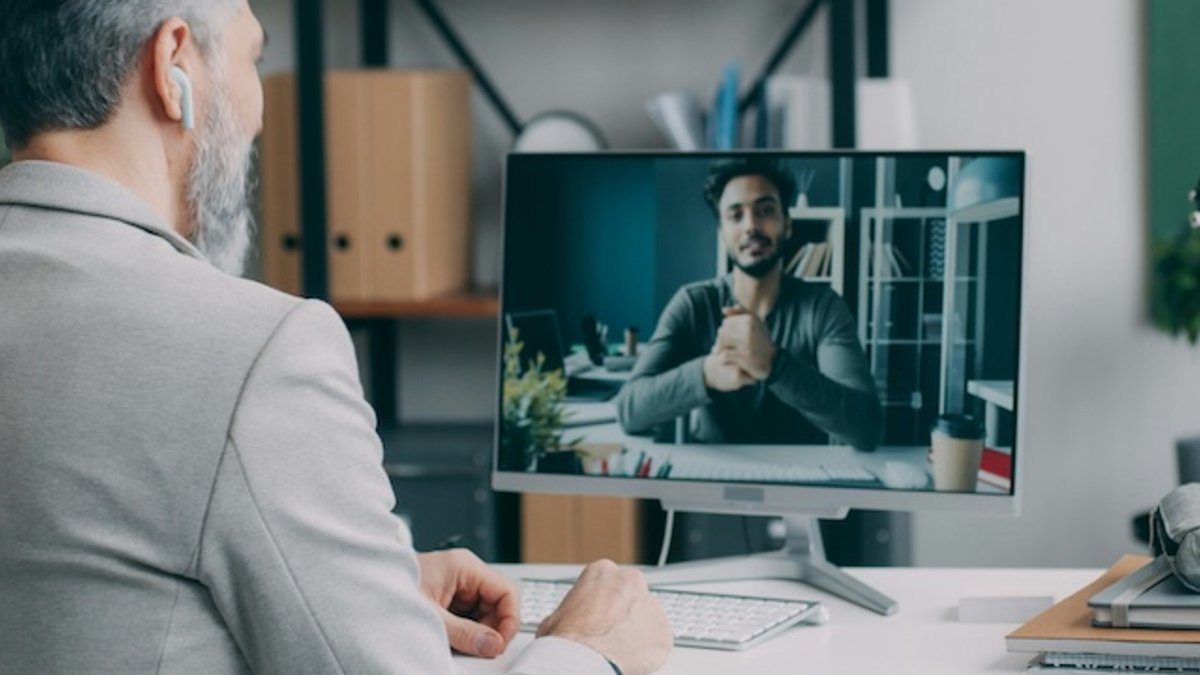
Victoria will introduce new laws to regulate how artificial intelligence is used in hiring, aiming to protect workers from bias and discrimination in automated decisions.
The state government plans to ban “inappropriate and unfair uses” of AI in workplaces. This includes requiring a human to have the final say in significant decisions made using surveillance data. Workers will also have the right to know if they are being monitored.
Some business groups and employment lawyers have called the proposal “unnecessary overreach.” However, the changes could help employers avoid legal risks by providing clearer rules on AI use.
The Victorian Equal Opportunity Act already requires employers to take “reasonable and proportionate measures” to eliminate discrimination. The law was written before AI became common in hiring, leaving gaps in accountability. For instance, it doesn’t require employers to make reasonable adjustments for people with disabilities during recruitment.
When third-party AI systems are involved, responsibility for biased decisions becomes unclear. Is the employer or the AI developer at fault? Without transparency, job candidates struggle to gather evidence for complaints. Shifting the burden of proof—requiring employers to demonstrate their systems are fair—could help address this issue.
Victoria isn’t acting alone. New South Wales recently passed similar workplace AI laws, and the federal Labor government is considering giving the Fair Work Commission a role in AI governance. Without federal action, states risk creating a patchwork of regulations, which could complicate compliance for national employers.
Related: Most small business owners would try again
Studies show AI hiring tools can systematically disadvantage certain groups. A U.S. study of 3 million job applicants found algorithms from one vendor discriminated against Black and Asian candidates. If multiple employers use the same system, entire groups could be locked out of opportunities.
Other research highlights risks for older workers, people with disabilities, and those who speak English as a second language. Bias can enter through training data, algorithm design, or how employers deploy the system. Even well-intentioned tools can produce unfair outcomes if they rely on flawed assumptions.
There’s no standard method for detecting discrimination in AI hiring systems. What counts as fair can vary depending on the context. Experts agree that if an employer can’t prove their system is unbiased, they shouldn’t use it.
The government’s plan includes regular independent audits of AI hiring tools. It also proposes a human review requirement to catch biases before they affect decisions. These measures could make hiring fairer while giving employers clearer guardrails.
Eliminating bias entirely may not be possible. AI systems are built by humans and trained on human data, inheriting our flaws. The goal is reducing harm. With more Australians skeptical of AI’s role in hiring, the push for stronger rules aims to ensure the technology is used responsibly before the damage is done.
Small business owners face personal risk over tax arrears, adding another layer of pressure as they handle evolving workplace regulations.