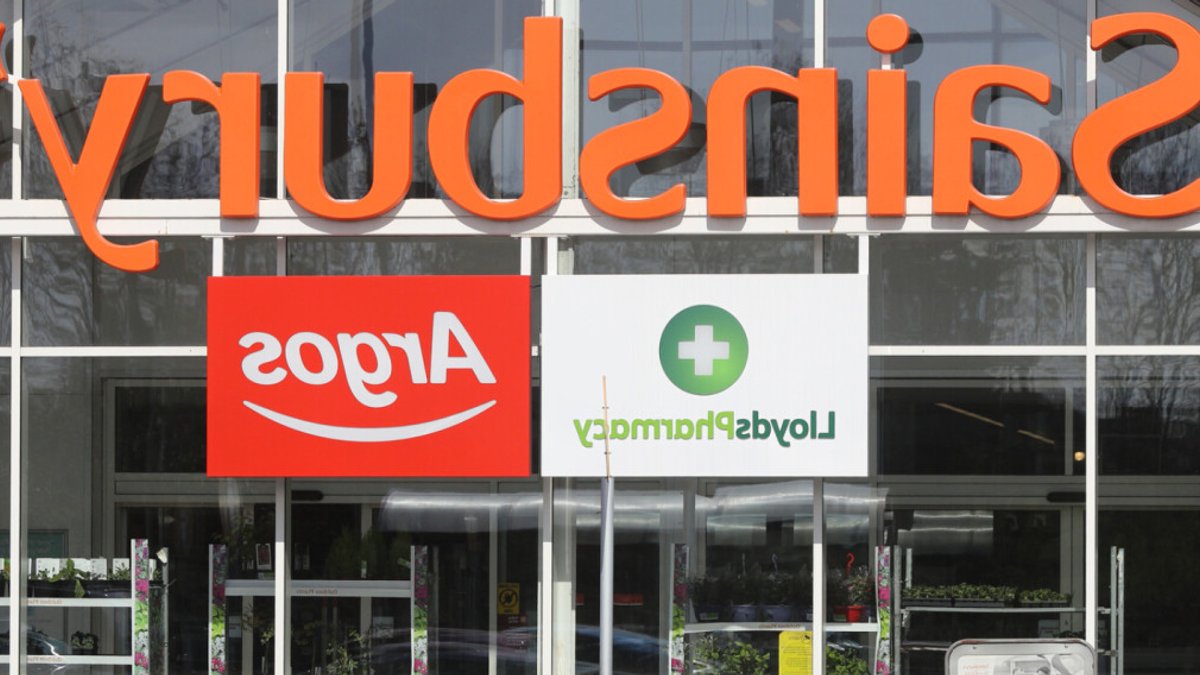
Sainsbury’s Argos sale will see the retailer divest the non‑food arm for at least £120 million, according to a statement released this week.
Deal structure and assets transferred
Swift Partners, a newly formed investment vehicle, will acquire 201 Argos standalone stores and the 466 hubs that operate inside Sainsbury’s supermarkets. The agreement also covers an additional 466 collection points, the existing logistics network, pet‑insurance and product‑warranty services.
Beyond the retail footprint, Swift will take over Sainsbury’s distribution centre in Daventry and two sourcing offices located in Shanghai and Hong Kong. The purchase price includes an upfront cash payment of £70 million due when the transaction closes, with the remainder payable later.
The completion of the sale is slated for February next year, and a full separation of the Argos business is scheduled for 2029. Sainsbury’s did not disclose how many of its employees will move to the new owner.
Leadership and strategic rationale
Swift Partners is backed by retail veterans, including former Co‑operative Group chief Richard Pennycook and ex‑Morrisons COO Trevor Strain. Financial backing comes from Matt Truman’s True Capital firm.
Pennycook and Strain will sit on the Argos board, while Pennycook will serve as executive chair, dedicating three days a week to the business.
Related: Hoops initiative aids female athletes
Simon Roberts, chief executive of Sainsbury’s, said the move allows the company to sharpen its focus on food and grocery operations. “As we have strengthened our core food business, we have carefully considered what it will take to create the strongest possible future for Argos,” he said.
Roberts added that the transaction is “business as usual” for Argos employees and shoppers, indicating no immediate disruption is expected.
From a practical standpoint, the split could mean quieter aisles for grocery shoppers while Argos locations gain dedicated attention from a team whose sole mandate is the electronics and home‑goods market.
For employees, the shift may bring clearer career paths tied directly to the retail segment they serve.
Swift’s stated aim is to inject operational expertise, technology capability and long‑term capital into Argos. The firm believes there are “real opportunities to invest and build on its progress,” according to Pennycook.
The transaction marks a notable restructuring for the UK’s largest supermarket chain, which has been gradually scaling back non‑core activities. By offloading Argos, Sainsbury’s hopes to streamline its supply chain and reduce complexity in its financial reporting.
Industry observers note that the deal reflects a broader trend of supermarkets shedding ancillary businesses to concentrate on high‑margin grocery sales. The separation timeline gives both parties ample runway to manage the transition without abrupt changes to service levels.
Related: Australians get strategic with retail spending
While the cash infusion strengthens Sainsbury’s balance sheet, the long‑term impact on its market share will depend on how effectively the retailer reinvests the proceeds into its core offerings.
Meanwhile, Argos, now under the stewardship of Swift Partners, will operate as a standalone entity with a board that includes seasoned retail operators.
For consumers, the most visible change may be a branding shift at the points of sale inside Sainsbury’s stores, as Argos begins to delineate its identity separate from the supermarket chain.
Swift Partners will also assume responsibility for the logistics network that supports Argos’s delivery and click‑and‑collect services, a vital component for maintaining the speed and reliability customers expect.
Overall, the agreement aims to provide stability for Argos staff while allowing Sainsbury’s to pursue a more focused growth strategy in the competitive grocery sector.
The deal reshapes the market.