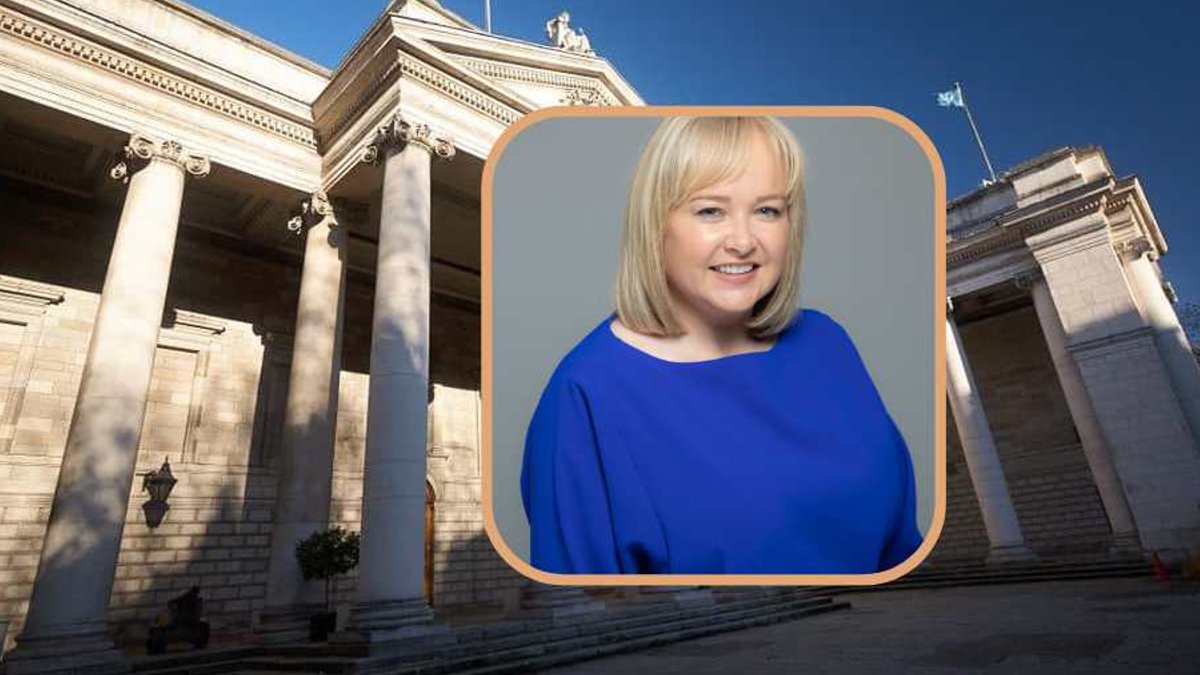
June Butler, head of Corporate and SME Banking at Bank of Ireland, is preparing to speak at the Dargan Forum this month. The two-day event in Dun Laoghaire on June 24 and 25 brings together experts to discuss climate action, technological change, and economic uncertainty. Butler returned to Bank of Ireland this year after serving as CEO of the Strategic Banking Corporation of Ireland, where she now leads a team of 200 colleagues supporting more than 3,000 businesses.
Turning Ambition Into Action
Butler believes the biggest barrier to real economic results from sustainability strategies isn’t a lack of ambition. Instead, she says many businesses, particularly small and medium enterprises, struggle to turn plans into action. While most understand why sustainability matters, a large number lack clear plans or know how to start. In Ireland, only about a third of SMEs actually have a structured sustainability plan in place. This gap widens as businesses face rising costs and pressure on margins. Consequently, sustainability decisions often get pushed back even when they would deliver savings in the long run.
The solution, Butler argues, is to make it easier to act. She points to Bank of Ireland’s Green Business Loans, which help businesses invest in energy efficiency or renewable technology while reducing costs. The bank also offers tools like the Sustainable Business Coach to guide SMEs through practical steps. Butler says connecting sustainability with growth is essential. When businesses see that going green can improve productivity and win new customers, the focus shifts from a “nice to have” to a core business decision.
Connecting sustainability with growth requires more than just funding; it demands a shift in how businesses view their operations. Most SMEs do not need more strategy documents. They need practical, actionable steps that align environmental goals with financial returns. When sustainability becomes a tool for competitiveness rather than a compliance burden, it moves from the periphery of business planning to the center. This integration helps businesses not only meet regulatory expectations but also capture new market opportunities that arise from changing consumer preferences and supply chain demands.
Resilience and Regional Opportunity
Butler questions whether Ireland is thinking about resilience defensively. She argues that resilience is often framed only as protection against risk, such as supply chain disruption or economic shocks. While this matters, she believes a more useful approach is to position Ireland to benefit from change. The country has strong foundations in digital capability and the ability to attract investment. However, to build on this, infrastructure must be fit for the future, with a focus on digital connectivity and energy.
Supporting regional economies is just as important as strengthening urban centers. If businesses can succeed wherever they are based, the economy achieves balanced, sustainable growth. Butler emphasizes that resilience means being ready, flexible, and able to move quickly when opportunities arise. This proactive stance requires turning innovation into practical tools that help businesses operate more efficiently and reach new markets.
The green and digital transition poses a risk of leaving smaller businesses, those outside major cities, and companies in traditional sectors behind. These groups often face higher costs and fewer resources to invest. Many SMEs still rely on their own cash reserves rather than borrowing, even when funding is available. To prevent a widening gap, targeted support and real partnership are necessary. This involves ensuring businesses can access funding easily and have the practical advice needed to build the skills required to compete.
The Role of Finance and Partnerships
Bank of Ireland has a defined part to play in supporting economic growth, particularly for small and medium-sized enterprises. The bank provides the necessary funding for businesses to invest in their future. This includes sustainability loans, growth schemes, and working capital for day-to-day operations. The bank is a participant in the SBCI Growth and Sustainability Loan Scheme, which allows SMEs to invest at a larger scale. Beyond lending, the bank supports decision-making through sector teams and relationship managers who work directly with businesses. These teams help companies make informed choices in a complex economic environment.
Supporting regional economies is another key focus for the bank. Small businesses serve as the foundation for communities throughout Ireland. It is important that investment reaches these companies, not just those in major urban centers. The bank helps businesses move forward with confidence by ensuring opportunities from the green and digital transition are shared widely. The institution funds investments, working capital, and expansions across many different sectors every day.