$730 million has been invested in CesiumAstro, a company planning a 737-satellite constellation with AI built in. This Series D funding round was led by Janus Henderson, with additional contributions from Insight Partners, Toyota’s Woven Capital, and other investors. The Austin-based firm’s valuation now exceeds $4.5 billion. The investment also includes $100 million in debt financing from the Export-Import Bank of the United States and JPMorgan.
The constellation, named Synchronicity, will operate in low Earth orbit using Ku-, Ka-, and V-band frequencies. AI will handle traffic and capacity management, with data processing occurring onboard. It will serve commercial, sovereign, and defense customers, and CesiumAstro will run it itself.
For years, CesiumAstro sold gear for satellites, focusing on phased-array antennas. In 2024, it added Element, a satellite it builds and runs for clients. Following Element’s success, CesiumAstro now wants to own the whole thing; the capital backs Synchronicity. Element-1 went up in October on a SpaceX Falcon 9 rideshare and is already working. Seven more spacecraft have launches booked.
Government demand is a key driver. Europe’s IRIS² is one example of governments funding their own systems, partly over worries about Musk’s influence. CesiumAstro’s CEO, Shey Sabripour, says customers want “sovereignty over their own constellation.” He also argues CesiumAstro isn’t really fighting Starlink head-on, since many clients don’t want to sit inside a closed, proprietary system. He adds that the company can tap radio frequencies beyond those approved for SpaceX and Amazon.
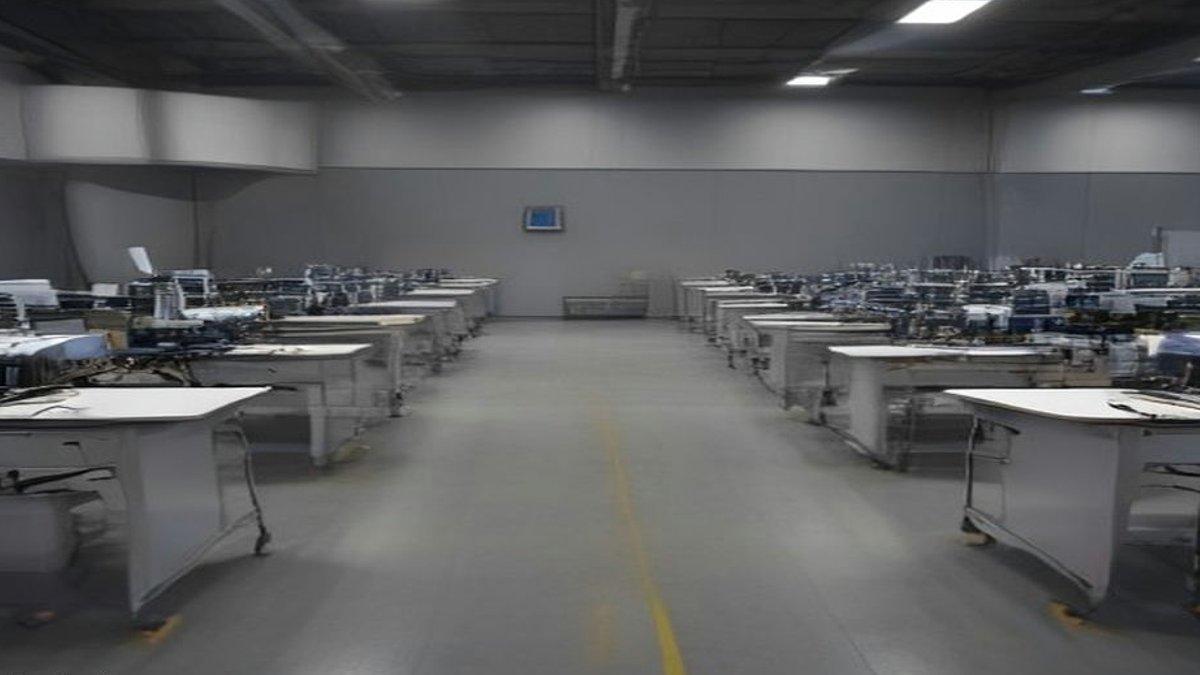
A significant portion of the $730 million will support manufacturing expansion. CesiumAstro plans to spend $500 million over five years on its Austin headquarters, including roughly 270,000 square feet of advanced manufacturing space. The company also plans 550 new roles, which would push its Austin-area headcount past 1,000 by 2030.
Vertical integration remains a strategic focus. In the past year, CesiumAstro acquired three companies: Jariet Technologies (specializing in millimeter-wave radio chips), 1Aardvark (defense mission software), and Vidrovr (AI for real-time signal analysis). Together, they give CesiumAstro control from chip to software.
The latest funding follows a $470 million Series C round earlier this year, bringing the company’s total capital raised in 2026 to over $1.2 billion. Xona Space’s recent $250 million raise for a low Earth orbit GPS competitor further shows this shift—investors no longer see space as a one-company show; they’re betting that governments and big firms will pay for networks they control.