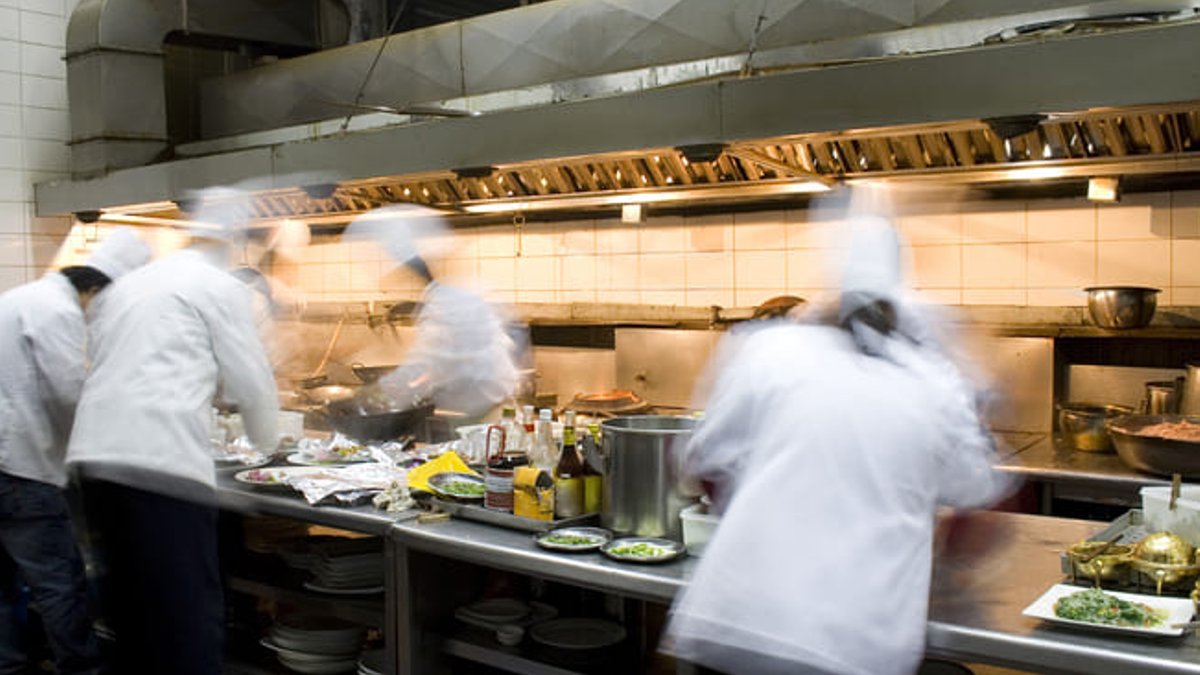
Students enrolled in culinary programs throughout Los Angeles notice a distinct setting within elite instructional kitchens. Separate containers for compost, recycling and reuse bear clear signage, while teachers show how to cut vegetables so that no edible portion is wasted. Such practices influence each plate and workflow, preparing alumni with competencies that are growing in demand across the foodservice sector.
Core Principles of Sustainable Gastronomy in Los Angeles Kitchens
The principle of sustainable gastronomy guides the Culinary Arts Program Los Angeles, affecting how menus are created and how daily work is performed. Pupils develop dishes that recycle ingredients across several recipes and cut back on single-use wrappers. Using a root-to-stem technique, carrot tops are blended into pesto and peels are simmered to enrich stocks, leaving almost nothing for the compost bin.
Instructional kitchens in Los Angeles employ rigorous inventory control procedures. Trainees are taught to monitor product expiration dates, rotate supplies, and predict ordering needs to avoid spoilage. Such practical methods tackle the problems of excess ordering and poor storage, two major contributors to kitchen waste. Adopting these fundamentals enables upcoming chefs to advance a greener food sector.
Advanced Scrap Utilization Techniques Taught by Elite Chefs
Renowned chef-teachers within Los Angeles culinary schools demonstrate sophisticated techniques that convert leftovers into premium menu components. Orange peels are sugar-coated for sweet dishes, while used coffee grounds are reused as flavor enhancers in spice blends. These illustrations promote viewing waste as a usable asset instead of mere refuse.
Cutting-technique workshops focus on exacting slices that increase edible yield and produce consistent off-cuts that can be repurposed. Learners also study fermentation and pickling, methods that lengthen the usability of excess or imperfect produce while adding distinctive tastes to culinary creations. The curriculum frequently cites recognized guidelines for food upcycling, showing the importance of ingenuity and thrift in waste-free kitchens.
Sourcing Local California Produce for Closed-Loop Culinary Operations
Top-tier curricula in Los Angeles prioritize obtaining produce from nearby California farms, cutting transportation emissions and supporting closed-loop food operations. Forming direct partnerships with growers allows students to see directly how aligning menus with harvest periods lowers the chance of spoilage and overstock.
Elements such as compost bins, durable storage vessels, and live waste-monitoring platforms that record quantities and categories of waste are being installed.