Interior finishing brings together several materials that influence the appearance, comfort and usability of a building. Ceilings help define the character of a room, while properly prepared walls provide the foundation for an attractive paint finish. Selecting suitable products for both areas can make construction and renovation projects more organised and help avoid unnecessary repairs.
A successful interior project requires more than choosing decorative designs. Material compatibility, installation quality, room conditions and maintenance requirements should all be considered. Understanding the basics of ceiling systems and wall preparation can help homeowners, architects and contractors make informed decisions.
Why Gypsum Boards Are Popular for Modern Ceilings
Gypsum boards are widely used in interior construction because they provide a relatively smooth surface and can accommodate different ceiling designs. They are manufactured with a gypsum core and facing materials, with product types varying according to their intended applications.
A gypsum board ceiling can be designed as a simple flat surface or incorporated into a more decorative layout. Recessed sections, lighting coves and selected multi-level features can create visual interest without requiring extensive decorative plasterwork.
Another practical advantage is the ability to conceal building services. Electrical wiring, ventilation components and other installations can often be accommodated in the space above a suspended ceiling. Access panels should be included wherever future inspection or maintenance may be necessary.
However, board selection must reflect the conditions of the room. Standard boards may be suitable for many dry interior spaces, while moisture-resistant or other specialised boards may be required in particular environments. These products still have defined performance limits and should not be treated as substitutes for waterproofing or proper ventilation.
Understanding False Ceiling Materials
A suspended ceiling is a complete assembly rather than a single product. Its performance depends on how the boards, framework, fasteners and finishing components work together.
The main false ceiling materials commonly considered for a project include:
1. Gypsum boards
These form the visible ceiling surface. The appropriate board type depends on the room, design and expected environmental conditions. Thickness and installation specifications should follow the selected manufacturer’s guidance.
2. Metal framework
Metal channels and framing components support the boards. Their spacing, suspension arrangements and fixing details must be suitable for the ceiling design and expected loads. Incorrect framework installation can lead to uneven surfaces or movement.
3. Screws and fasteners
Suitable screws secure the boards to the framework. The type, length and spacing should match the board and framing system. Heavy fixtures may need independent structural support rather than being attached only to the board.
4. Jointing compounds and tapes
Board joints require appropriate treatment to create a continuous surface. Compatible tapes and compounds help finish joints and reduce visible lines. Application technique and drying time are important to the final appearance.
5. Finishing products
Primers and suitable finishing materials help prepare the ceiling for painting. The products should be compatible with the board and jointing system.
6. Lighting and access components
Recessed lights, ventilation openings and inspection panels should be considered during the design stage. Planning these details early can reduce cutting errors and avoid changes after installation.
Choosing a Ceiling Design for the Room
The right ceiling design depends on the room’s dimensions, intended use and existing services. A simple flat ceiling can work well in a compact bedroom, while a larger living area may have enough space for a recessed feature or indirect lighting.
Ceiling height deserves particular attention. Every suspended system reduces the distance between the floor and the finished ceiling. An elaborate design may look attractive in a large room but feel restrictive in a space with limited height.
Commercial environments have additional considerations. Offices, retail spaces and hospitality properties may need easier access to electrical and mechanical services. The ceiling layout should allow maintenance without unnecessary disruption.
Fire safety is another important factor. Ceiling assemblies should be selected and installed in accordance with applicable building requirements. Where a fire-rated system is required, every relevant component and installation detail should form part of a compatible tested or approved assembly.
Preparing Walls Before Painting
Ceiling work is only one part of interior finishing. Wall preparation also affects the quality of the completed space. Even carefully selected paint may look uneven when applied over dusty, porous or irregular surfaces.
Wall putty is commonly used to fill minor imperfections and create a smoother base before painting. It should be applied only after the underlying plaster or substrate has been inspected and prepared.
Before starting, remove loose particles, dust and unsuitable coatings. Any cracks, damp patches or damaged plaster should be assessed and repaired appropriately. Applying putty over an active moisture problem can lead to peeling, staining or repeated surface deterioration.
The correct putty depends on the substrate and whether the work is indoors or outdoors. Buyers researching the best putty in india should compare technical specifications, application suitability, coverage and quality documentation rather than relying only on brand reputation or price.
How to Select Putty for Different Applications
Putty products can differ in composition and intended use. Cement-based varieties are commonly used on suitable plastered masonry and concrete surfaces. Other formulations may be designed for particular finishing requirements.
A practical selection process includes checking:
- Substrate compatibility: Confirm that the product is suitable for the wall surface.
- Interior or exterior use: Choose a formulation designed for the expected exposure.
- Coverage guidance: Review the manufacturer’s estimated consumption per unit area.
- Application thickness: Follow the recommended limits rather than applying unnecessarily thick layers.
- Drying time: Allow the material to dry as specified before sanding, priming or painting.
- Storage instructions: Protect unused material from moisture and follow the stated shelf-life guidance.
The term best putty in india does not identify one universal product for every building. The right choice depends on the actual surface, project conditions and desired finish.
Coordinating Ceiling and Wall Work
Ceiling and wall finishing should be planned together to create a consistent interior. For example, the ceiling layout may include recessed lighting near a feature wall, while the wall preparation needs to be completed before final painting.
A sensible work sequence usually begins with inspection and planning. Electrical and other concealed services should be coordinated before the ceiling framework is closed. The framework and boards can then be installed, followed by joint treatment and finishing.
Wall surfaces should also be prepared in the correct order. Loose plaster and defects need attention before putty application. Once the surface is ready, the putty can be applied according to the product instructions and allowed to dry before subsequent finishing.
Coordination between trades helps avoid damage to completed surfaces. Painting too early, for example, can result in marks or repairs if ceiling installation is still underway.
Estimating the Project Budget
A realistic estimate should include materials, labour, transportation, surface preparation and possible wastage. Ceiling costs can vary according to the area, framework design, board specifications, ceiling height and number of decorative features.
Wall-finishing costs depend on the condition of the plaster, the required number of coats and the selected putty. Quotations should clearly identify product names, pack sizes, quantities and the work included.
When comparing false ceiling materials, check that each quotation covers equivalent components. A lower price may exclude jointing products, access panels, additional framing or finishing work. Understanding these differences makes comparisons more meaningful.
For putty purchases, coverage estimates should be treated as guidance rather than guaranteed consumption. Uneven surfaces and application technique can affect the quantity needed.
Maintenance and Common Problems
Once installed, ceilings should be checked periodically for cracks, sagging, loose fixtures and signs of moisture. Any recurring dampness should be investigated before repairs are made. Heavy objects should not be suspended from gypsum boards unless suitable additional support has been installed.
Walls also benefit from occasional inspection. Peeling paint, powdery surfaces and recurring stains may indicate problems beneath the finish. Repairing the cause is more effective than simply applying another coat of putty or paint.
Making the Right Product Choice
A well-finished interior depends on compatible materials, proper preparation and skilled installation. Gypsum boards can provide versatile ceiling options, while suitable putty helps create a smoother wall surface before painting. Comparing technical details and intended applications is more useful than selecting products based on appearance or price alone.
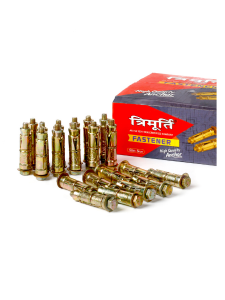
For buyers exploring construction and finishing products, Trimurti Products offers a range that includes gypsum boards, ceiling components and wall putty. Reviewing product specifications and confirming suitability for the intended application can help homeowners and contractors plan their projects more confidently.