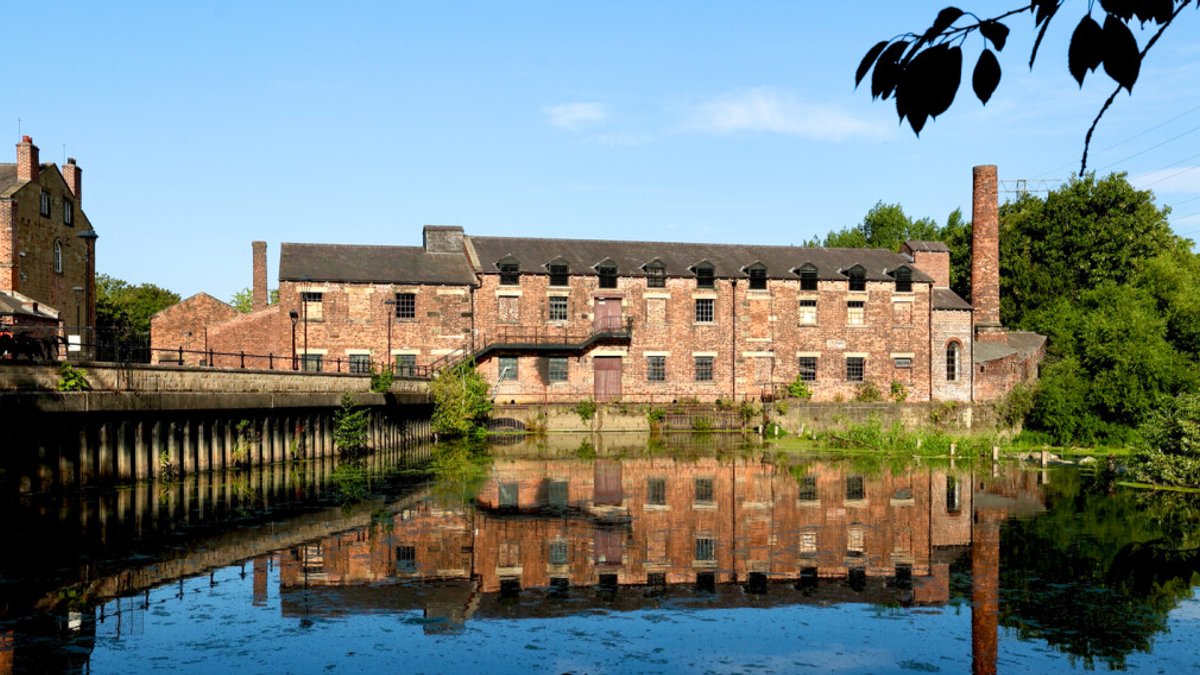
Four new owners have acquired Thwaite Mills, a historic watermill in Leeds, with plans to restore it as a museum, pub, and café. The Grade II-listed site in Stourton has remained closed since April 2024.
Restoration work started this week and will likely take about a year, though no reopening date has been confirmed. The owners—Will Habergham, Terry George, Michael Rothwell, and Kirk Allen—stated the mill will function again as a working museum, while a pub and café will offer seating along the canal.
Community at the heart of revival
The grounds will be redesigned for public access, allowing walking, running, and dog walking. Future additions may include a beer garden, weddings, and small music events. Free family activities, craft fairs, and car boot sales could also return.
Involving the community remains a key focus. The Friends of Thwaite Mills group will be revived, and volunteers will have opportunities to contribute to the site’s development. Progress and volunteer roles will be shared through a social media diary tracking the restoration.
Related: PTSG buys firm to boost fire safety
Habergham emphasized that the mill was previously saved by local efforts, and the same approach will guide its future. “We’re not going to vanish for a year and reappear with a ribbon-cutting,” he said. “We want people to witness the process, visit, and share their vision for the site.”
From flax to paint: the mill’s industrial past
Constructed between 1823 and 1825, Thwaite Mills initially processed flax before transitioning to whiting and paint production. It operated commercially until 1975, when a damaged weir threatened its survival. Local volunteers stepped in the following year, leading to its reopening as a museum in 1990.
The owners aim to combine its rich history with contemporary uses. For many in Leeds, the mill represents more than a structure—it holds memories of childhood, weekend outings, and the tranquil pace of the canal. Reviving it as a community space could help preserve not just its physical heritage but also its role in the city’s social life.
Public engagement will play a key part in its success. The owners have launched a website and social media channels for updates, volunteer sign-ups, and a restoration diary. The mill’s future will partly depend on how many people choose to engage—not only as visitors but as active participants in its renewal.